
Smart Grooming for Seniors: Equipment Adaptations for Elderly Owners
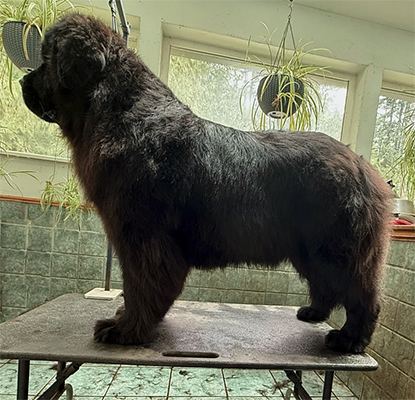 Newfoundlands—gentle giants known for their sweet temperament, massive size, and thick, water-resistant coats—are among the most beloved of large dog breeds. Their loyalty and calm demeanor make them excellent companions for people of all ages, including seniors. However, grooming and caring for a Newfoundland is no small feat. Their size and coat maintenance demands can be physically taxing, especially for older adults dealing with arthritis, reduced mobility, or limited strength.
Grooming a double coated Newfoundland is a project even for the young and able-bodied.
Fortunately, there are smart and practical equipment adaptations that allow elderly Newfoundland owners to continue grooming and caring for their dogs safely and comfortably. From using gardening stools to reduce back strain, to adding foam padding to grooming tools, wearing pocket aprons, and using hiking headlamps for better visibility, these simple modifications can make a world of difference.
The Unique Grooming Needs of Newfoundland Dogs
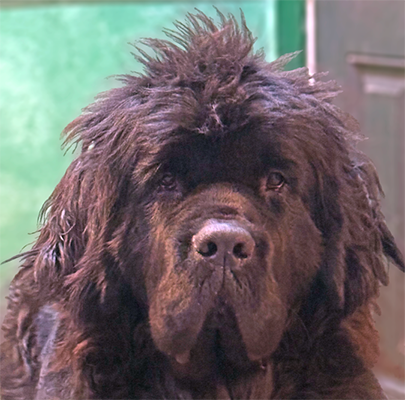 Newfoundlands require more grooming than the average dog. Their thick double coat needs to be brushed several times a week to prevent matting and control shedding. Regular nail trimming, ear cleaning, and dental care are also essential to keep them healthy. A full grooming session can easily last an hour or more—and their size means that every task involves extra effort.
For elderly owners, this kind of upkeep can be daunting. Tasks like bending, gripping tools, or keeping the dog still can pose physical challenges. That’s where adaptive tools come in.
Magnetic Clasp Buckle Collars: Gentle Control with Less Effort
Handling a giant breed like a Newfoundland often starts with getting them properly leashed or positioned for grooming. Traditional buckle collars can be difficult for arthritic hands to open and close, especially when a wiggly dog is involved. Magnetic clasp buckle collars offer a practical and arthritis-friendly alternative.
Why it works for Newfies:
• These collars use strong magnets and interlocking mechanisms that “snap” shut with minimal pressure.
• They eliminate the need for pinching, pressing, or twisting—common pain points for those with hand joint issues.
• Many styles are just as secure as traditional buckles, making them ideal for both walks and grooming.
Tip: Choose a magnetic collar made for large breeds with reinforced stitching and secure magnetic strength. Some versions also come with a quick-release feature for added safety.
 Gardening Stools: Reducing Strain While Grooming
Grooming a Newfoundland typically means working close to the ground, especially if the dog is lying down. For seniors with stiff joints or back issues, crouching or kneeling for long periods can lead to pain or fatigue. A foldable gardening stool with a padded seat can make all the difference.
Why it works for Newfies:
• Lets you brush your Newfoundland while seated, especially along the back, flanks, and legs.
• Many stools come with side handles that make it easier to sit down and stand up.
• Some even flip into padded kneelers, offering flexibility depending on the grooming task.
Tip: Look for stools that are lightweight, easy to carry, and stable on uneven floors or outdoor surfaces.
Foam Padding for Tool Handles: A Game Changer for Arthritic Hands
Brushing a Newfoundland requires large, sturdy grooming tools like slicker brushes, undercoat rakes, and combs. These tools can be difficult to grip, especially if the handles are hard or narrow. Wrapping the handles in foam padding—like pipe insulation or soft rubber grips—can reduce hand strain and improve control.
Why it works for Newfies:
• Grooming a Newfoundland’s dense coat takes time and effort. Comfortable handles prevent hand fatigue during long sessions.
• Thickened handles are easier to grip and maneuver, especially when working on tangles or undercoat removal.
• Foam padding can be replaced as needed and easily cleaned.
Tip: Cut foam grips to fit your favorite grooming tools, including slicker brushes, dematting combs, and even nail trimmers.
 Pocket Aprons: Organize and Minimize Movement
Newfoundlands shed—a lot. Having to constantly get up to fetch grooming tools while covered in fur is not only frustrating, but also physically taxing. A pocket apron, like the ones used by gardeners or barbers, can keep all your tools within easy reach.
Why it works for Newfies:
• You can carry everything: brushes, combs, scissors, treats, ear wipes, and a towel.
• It prevents repeated bending, walking back and forth, or losing tools in a pile of dog hair.
• Aprons also protect your clothing from slobber, hair, and grooming products.
Tip: Choose an apron with deep, divided pockets. Machine-washable canvas or denim is ideal for durability and ease of cleaning.
Hiking Headlamps: Hands-Free Light Where You Need It
With their thick coats and big paws, grooming a Newfoundland often requires detailed attention. Whether you're trimming nails, checking for skin irritations, or cleaning ears, good lighting is critical—but hard to manage if you're trying to hold a flashlight.
A hiking or camping headlamp solves that problem.
Why it works for Newfies:
• Provides strong, focused light without needing a third hand.
• Helps you see through their dense coat to spot mats, skin issues, or ticks.
• Allows you to groom in the evening or in dimly lit areas—especially useful in winter.
Tip: Choose an adjustable LED headlamp with multiple brightness settings and a comfortable head strap. Rechargeable models are eco-friendly and cost-effective.
Training combined with some adaptive equipment can make grooming a pleasure for you and your Newf!
Additional Tips for Senior Newfoundland Owners
Beyond adaptive tools, there are other strategies to make grooming safer and more manageable:
• Use non-slip mats: Place a yoga mat or rubber runner under your grooming area to prevent slips
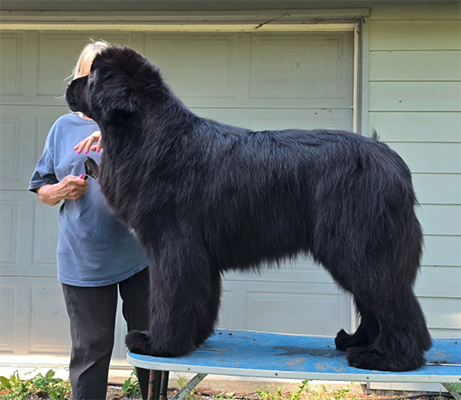
• Use an elevated platform like a grooming table, hydraulic or electric grooming tables can save your joints and your Newf’s!
• Break up grooming sessions: Instead of grooming all at once, divide tasks throughout the week.
• Use a grooming sling or helper harness: These can help gently stabilize your Newfoundland without heavy lifting or awkward positioning.
Staying Connected Through Care
For many elderly individuals, their Newfoundland is more than just a pet—they're a constant companion, source of emotional support, and even motivation to stay active. Continuing to groom and care for their dog strengthens this bond and brings a sense of accomplishment and purpose.
By adapting tools and modifying routines, seniors can maintain this important relationship while reducing risk of injury and fatigue. Even better, grooming sessions often become moments of calm connection, where the dog enjoys attention, and the owner gets to relax and engage in meaningful interaction.
The changes suggested here aren’t just about making grooming easier—they’re about preserving independence, dignity, and the joy that comes from the deep bond between a person and their Newfie. As with all great companions, a little extra care goes a long way.